




















The Echo of the Ocean and the Spirit of Brava in Armando de Pina’s Romantic Journey
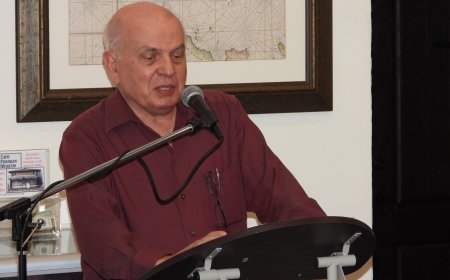
City of Pawtucket, October 12, 2026 (Bravanews) - There are nights when the Atlantic breeze seems to carry with it the whisper of old memories, a breath of longing that crosses the vast expanse of water to touch the hearts of those who live far from their homeland. It was on this shore of encounters and farewells that the artistic essence of Armando de Pina blossomed—one of the most sublime composers and singers hailing from the paradisiacal Island of Brava. His life and his art are so intertwined that it is impossible to hear his chords without feeling the warm embrace of melancholy and the fiery pulse of love.

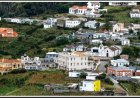
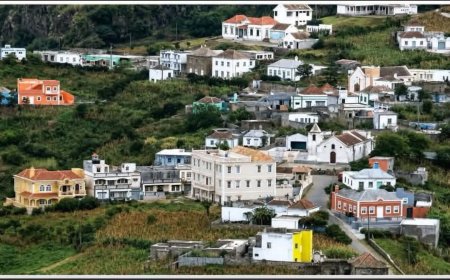
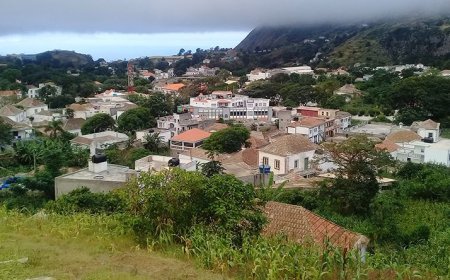
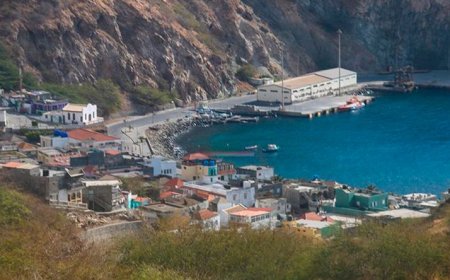
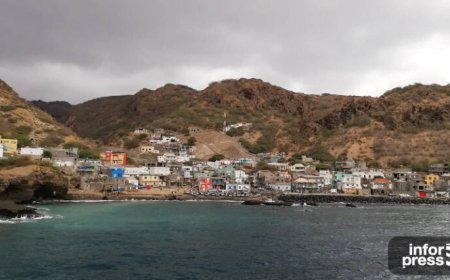
Born in Ponta Achada, on the enchanting Island of Flowers, Armando de Pina carried with him from the cradle the mystique of a land where the sea is not merely a landscape, but destiny itself. Brava, small in geographical size but immense in the poetic sensibility of its children, gave the bard his initial inspiration. It was in the warmth of his native land and later while traveling through the islands that the young musician learned to express, through the violin and the guitar, the noblest and most painful feelings of the human soul.
In the 1950s, driven by the winds of migration that have long shaped the fate of the Cape Verdean people, Armando set sail for the United States. The young artist carried few material possessions in his luggage, but an incalculable wealth: his voice, his instruments, and a heart brimming with memories. The journey was not merely a physical one, but a transition to a new chapter where nostalgia would become his primary muse.
His adjustment to life in North America—in the vibrant yet challenging environment of New England and the communities around Boston and Rhode Island—was marked by hard work and an unceasing desire to keep the cultural flame of his people alive. Far from the valleys and mountains of Brava, Armando de Pina found in song the indispensable bridge to return to his roots whenever nostalgia weighed heavily on his heart. Music became his refuge and his form of emotional resistance.
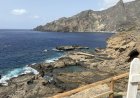
It is in this atmosphere of isolation and unconditional love for his homeland that one of his most emblematic and universal creations was born: “Mar eh morada de sodade.” Composed on the beaches of New England as the artist gazed at the waves lapping the same ocean of his childhood, the song immortalized the Creole’s ambivalent relationship with the sea. Here, the sea appears not as an insurmountable barrier, but as the very spiritual home of saudade—a living entity where the tears and hopes of those who have departed rest.
If the sea holds longing, love for the motherland finds its ultimate expression in the emotional anthem “Djabraba n’ ca negado.” In this unique work, Armando de Pina swears eternal fidelity and affection to his native Brava, promising never to forget his roots or the sacred figure of his mother. The song resonates like a fervent prayer, in which the singer expresses a passion so deep that it transcends time and distance, reaffirming that a man’s identity remains intact wherever he may be.
Armando de Pina’s sensitivity was never limited to lamenting distance; it also overflows with passion and lyricism in his “mornas” and romantic compositions. When he sings of love, the composer uses metaphors of touching sweetness, describing the gaze of his beloved, the tender moments shared, and the disappointments that sometimes pierce the heart. His voice, warm and full of nuance, transports the listener to a world where every note is a caress and every verse, an intimate confession.
In vibrant and insightful compositions such as “Siba Lebam Lisboa,” Armando also demonstrates his ability to engage with the geographies of the Cape Verdean diaspora. The routes of the ships, the anxiously awaited letters, and the journeys between continents and the capitals of the Portuguese-speaking world come to life through masterfully arranged melodies. The artist narrates the dynamics of the diaspora not only as pain, but as a pulsating movement of encounters, exchanges, and bonds sustained over time.
Over decades in the diaspora, Armando de Pina’s home and social gatherings became points of reference for the Creole community in the United States. Amid informal gatherings, community celebrations, and serenade nights, his presence ensured the preservation of musical traditions. The singer-songwriter’s voice continues to inspire both older immigrants yearning for memories and young people born on American soil who seek to understand the essence of their family heritage.
The artist’s life, however, was also marked by the shadows of grief and personal pain—moments when silence seemed to interrupt his musical creation. Loss and the trials of the human journey served, nevertheless, to further mature his art. When Armando returned to the stage and the recording studios, his performances carried an even more poignant depth, a reflection of one who had intensely experienced love in its fullness and in its loss.
Albums such as Nha Pensamento and the releases of Alma Cabo-verdiana have preserved for posterity the unique talent of a man dedicated to pure and visceral music. With arrangements that highlight acoustic instruments and the traditional melancholic cadence, these works serve as true emotional archives of emigration. Listening to these albums is like taking a journey back to the sunny afternoons of Cape Verde, breathing in the scent of Brava’s flowers in the air.
Official and popular recognition of Armando de Pina’s work ultimately crowned his long career. Honored by institutions and awarded distinctions by his home country, the singer always accepted these accolades with the humility characteristic of the great masters. For him, the greatest reward was never the medals, but rather the moving smile and the tears in the eyes of a fellow countryman upon hearing one of his mornas.
Nostalgia in Armando de Pina’s work is neither a static feeling nor a bitter sadness; it is a poetic force that builds bridges. It is through sodade that the immigrant learns to love the land he left behind and to cherish the life he has built abroad. In his songs, love for the island and romantic passion merge into a single, exalted feeling, capable of warming the cold nights of the American winter.
The Cape Verdean community in the United States found in Armando de Pina a reflection of its own history. He embodies the fate of thousands of men and women who set out in search of dreams, yet left half their hearts anchored in the volcanic rocks of their islands. Through his art, this pain of separation is transformed into aesthetic beauty and a source of cultural pride.
With every chord on his guitar and every note sung with his distinctive voice, Armando de Pina evokes the sweetness of chance encounters under the moonlight of the islands. His lyrics speak of the tight embraces at the moment of departure, the often-postponed promises to return, and the burning desire to set foot once again on the welcoming soil of Brava. It is poetry that touches the deepest fibers of those who know what it means to miss home.
Even after many years living in the United States, the singer’s identity remained as alive and vibrant as in his early youth. Brava never left him, just as he never truly left Brava. His singing is irrefutable proof that geographical borders are powerless to imprison the spirit of a true poet.
The work of this master from Brava is also a lesson in the passion for cultural preservation. In a rapidly changing world, where traditions are at risk of fading away, Armando de Pina’s commitment to cultivating traditional morna ensures that Cape Verde’s intangible cultural heritage remains alive and vibrant within the diaspora. He is a guardian of his people’s musical memories.
The celebrations, tributes, and gatherings organized by his friends and admirers over the years attest to the immense affection the community has for this icon. To see a room full of Cape Verdeans from different generations singing in unison “Djabraba n’ ca negado” is to witness the eternity of an artist. It is proof that his music has fulfilled its noblest mission: to unite hearts through affection.
Armando de Pina’s legacy will continue to resonate as long as there is a Cape Verdean in the world strumming a guitar and gazing out at the horizon of the sea. His songs are lighthouses that illuminate the night of absence, reminding everyone that true love for his homeland and its people is a flame that never goes out.
Thus, the career of this singer-songwriter from Brava Island remains etched in the history of Lusophone music. Armando de Pina sang of nostalgia with the tenderness of one who loves, transformed longing into art, and made the ocean his eternal bridge of love and passion between the Americas and Cape Verde.
Moises Santiago